
Ever grabbed the wrong white powder from your pantry and wondered why your cookies turned out flat or your cake tasted weirdly soapy? You’re not alone. Baking soda and baking powder might look identical, but they work very differently in your recipes—and knowing when to use each one can transform your baking from “meh” to magnificent.
This guide breaks down exactly what sets these two leaveners apart, how they make your baked goods rise, and what to do when you’re missing one. Whether you’re troubleshooting a recipe gone wrong or just curious about the chemistry happening in your oven, you’ll find everything you need here. No confusing jargon, just practical info that’ll make you a more confident baker.
Quick Overview: What You Need to Know
- What they are: Both are chemical leaveners that create air bubbles to make baked goods rise, but they activate differently
- Key difference: Baking soda needs acid to work; baking powder already contains acid and just needs liquid
- When to use which: Recipes with acidic ingredients (buttermilk, brown sugar, yogurt) typically use baking soda; neutral recipes use baking powder
- Can you swap them? Sort of—but it’s tricky and requires adjustments (we’ll cover this below)
- Why it matters: Using the wrong one affects rise, texture, taste, and even color
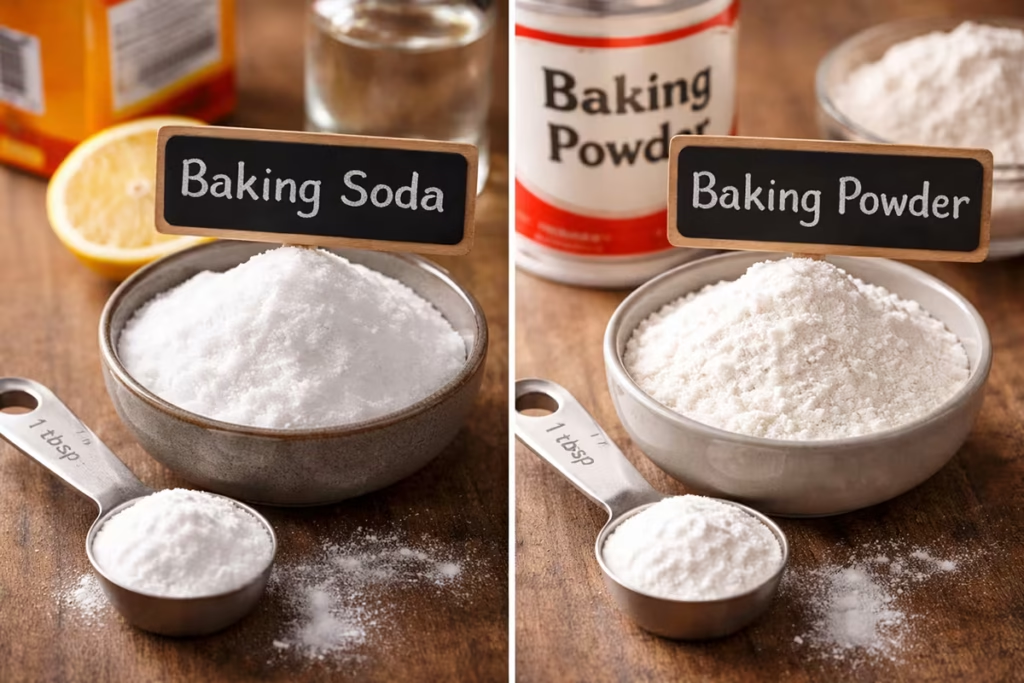
Table of Contents
What Is Baking Soda and How Does It Work?
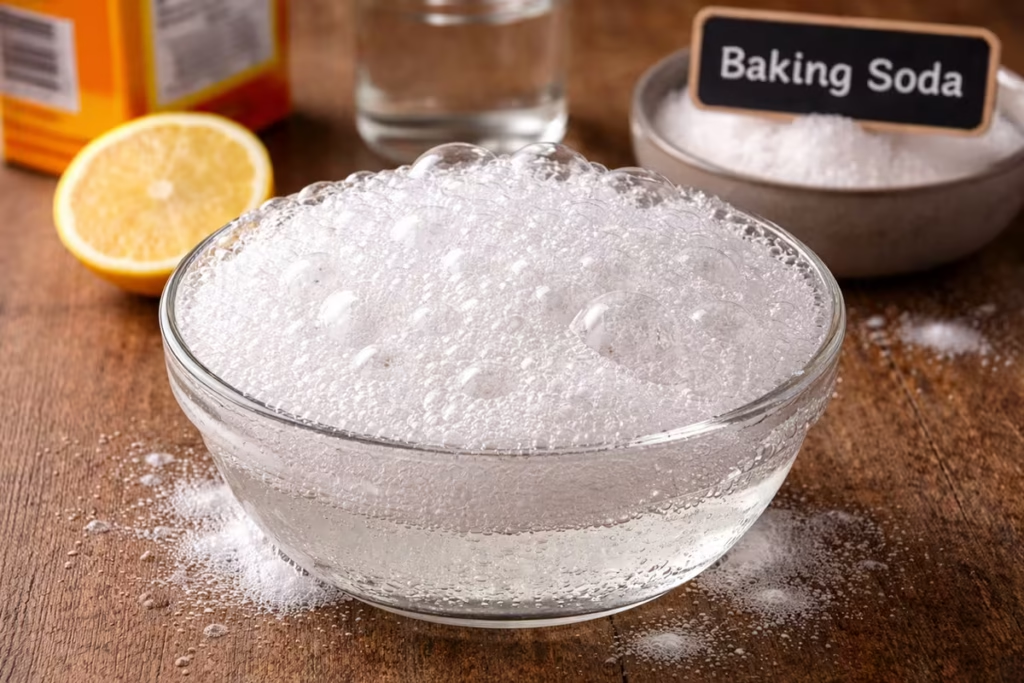
Baking soda is pure sodium bicarbonate—a base in chemistry terms. When it meets something acidic (like lemon juice, vinegar, buttermilk, or even brown sugar, which contains molasses), it creates a chemical reaction that releases carbon dioxide gas. Those tiny CO₂ bubbles get trapped in your batter or dough, making it rise and creating a light, airy texture.
Here’s the thing: baking soda reacts immediately when it hits acid. That means you need to get your batter into the oven fairly quickly after mixing, or you’ll lose that lift. It’s also quite strong—a little goes a long way. Most recipes call for just ¼ to ½ teaspoon (1-2.5g) per cup (125g) of flour.
Bonus effect: Baking soda helps baked goods brown beautifully. It raises the pH of your dough, which encourages that golden-brown color you see on cookies and the crust of quick breads. It also neutralizes some of the acidity in recipes, which can mellow out tangy flavors if you want a less sour result.
One downside? If you use too much baking soda without enough acid to neutralize it, your treats can taste bitter or soapy. Not fun.
What Is Baking Powder and How Does It Work?
Baking powder is basically baking soda with the acid already mixed in, plus a little cornstarch to keep it dry and prevent premature reactions. Because it contains both the base (sodium bicarbonate) and the acid (usually cream of tartar or sodium aluminum sulfate), it doesn’t need acidic ingredients in your recipe to activate—just moisture.
Most baking powder sold today is double-acting, which means it creates two rounds of bubbles: one when it gets wet (so, when you mix your batter), and another when it heats up in the oven. This gives you a bit more wiggle room if you can’t get your batter into the oven right away, and it produces a really consistent rise.
Baking powder is milder than baking soda, so recipes typically call for 1 to 2 teaspoons (5-10g) per cup (125g) of flour—about three times more than baking soda. It’s perfect for recipes that don’t have acidic ingredients, like basic vanilla cakes, biscuits, or scones.
Since baking powder already contains acid, it won’t brown your baked goods as much as baking soda. If you’re aiming for that deep golden color on cookies, baking soda’s your go-to.
The Key Differences Between Baking Soda and Baking Powder
Let’s break it down in a simple table so you can see exactly how they compare:
| Factor | Baking Soda | Baking Powder |
|---|---|---|
| Ingredients | Pure sodium bicarbonate (base) | Sodium bicarbonate + acid (cream of tartar) + cornstarch |
| Needs acid? | Yes—must have acidic ingredients in recipe | No—acid is already included |
| Activation | Immediate when mixed with acid | Double-acting: once when wet, again when heated |
| Strength | Very strong (use less) | Milder (use more—about 3x as much) |
| Browning | Promotes deep browning and color | Less browning |
| Taste if overused | Bitter, soapy, metallic | Slightly salty or chalky |
| Common uses | Cookies, pancakes with buttermilk, chocolate cakes | Biscuits, muffins, vanilla cakes, scones |
Understanding this helps you figure out why a recipe calls for one or the other—and what might go wrong if you swap them without adjusting.
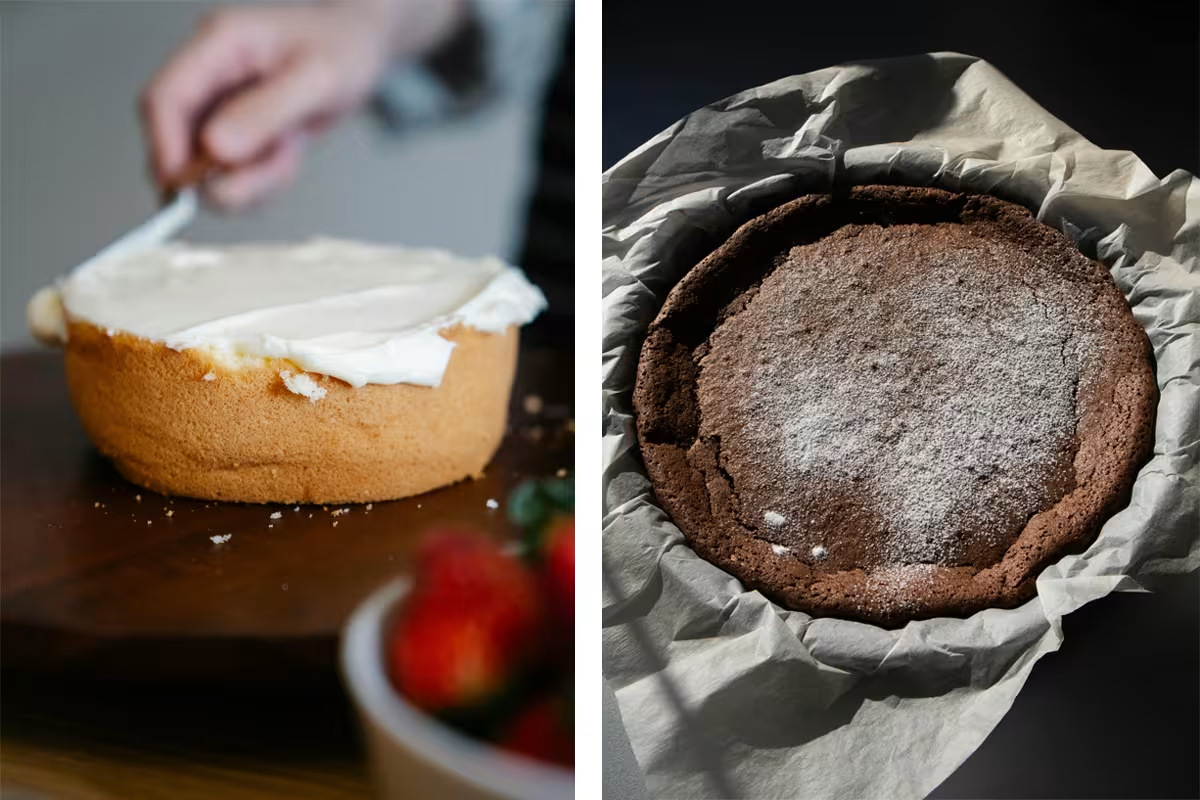
Why this matters: Recipes are formulated with these differences in mind. A chocolate cake uses baking powder because cocoa powder’s slight acidity isn’t enough to activate soda alone. Meanwhile, oatmeal cookies with brown sugar rely on baking soda for chewiness and spread. Swap them carelessly, and you’ll end up with flat cakes or puffy, cakey cookies.
When to Use Baking Soda vs. Baking Powder
Use baking soda when:
- Your recipe includes acidic ingredients like buttermilk, yogurt, sour cream, vinegar, lemon juice, molasses, brown sugar, honey, or cocoa powder (natural, not Dutch-process)
- You want extra browning on cookies or quick breads
- You’re making quick breads like banana bread or Irish soda bread.
- The recipe calls for both soda and powder—the soda neutralizes excess acid while the powder provides extra lift.
- The recipe only needs a small amount of leavening
Use baking powder when:
- Your recipe has neutral ingredients no significant acid (e.g., vanilla cake, sugar cookies, basic muffins)
- You’re making cakes, biscuits, muffins, or pancakes without buttermilk
- The recipe needs more leavening power or a lighter, fluffier texture
- You’re preparing batter ahead of time and can’t bake immediately (double-acting powder holds its power longer).
- The recipe is delicate and you want even, controlled rise.
Use both when:
- You need extra lift and want to balance acidity. For example, chocolate chip cookies often use both—baking soda for browning and spread, baking powder for extra rise. Recipes with some acid (like brown sugar) but needing more lift benefit from this combo.
Many home bakers find that recipes with both tend to have the best texture and color. It’s all about balance.
Common Uses in Baking (Cookies, Cakes, and More)
Cookies
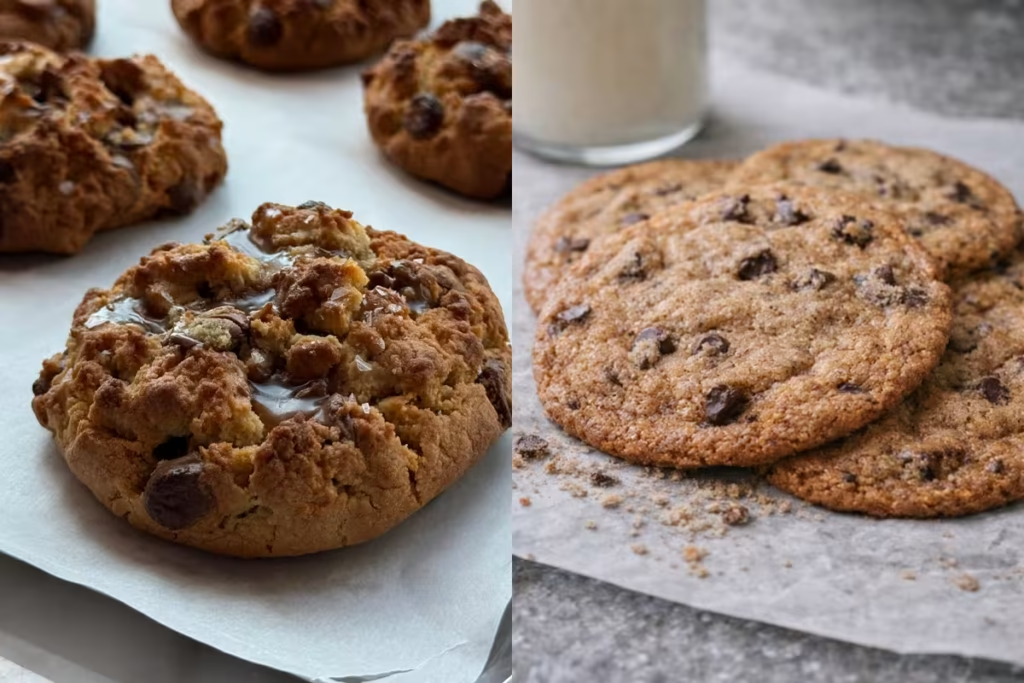
- Baking soda: Creates chewier, spread-out cookies with crispy edges and deep golden-brown color. Classic chocolate chip cookies rely on it.
- Baking powder: Produces puffier, cake-like cookies that don’t spread as much. Think snickerdoodles or sugar cookies.
- Both: Gives you the best of both worlds—good spread, browning, and lift.
Cakes
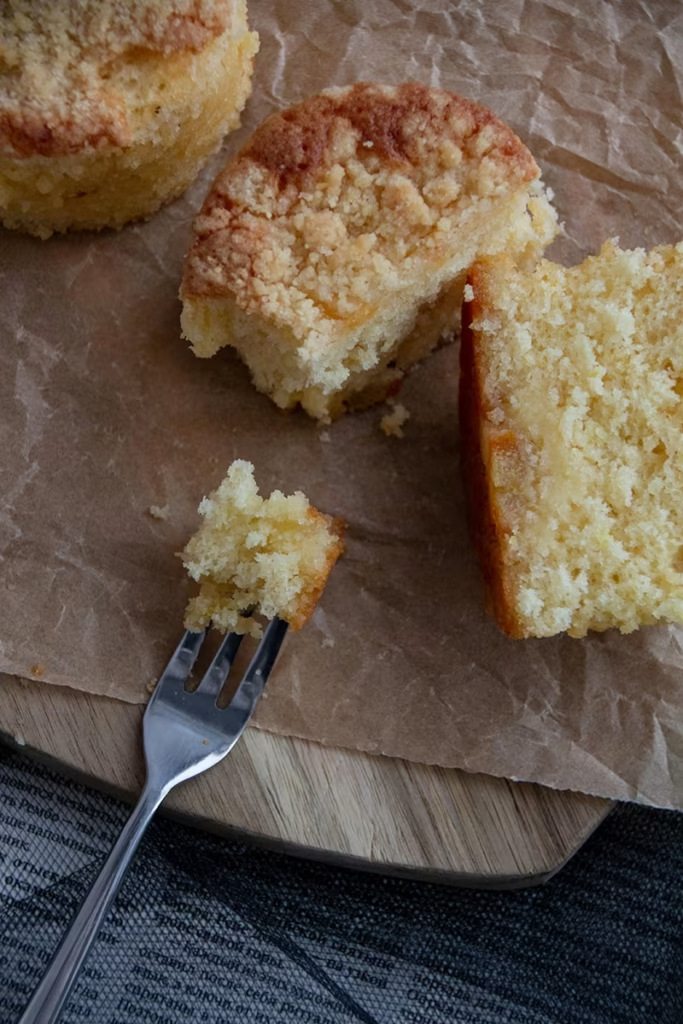
- Baking soda: Used in chocolate cakes, carrot cakes, or any cake with buttermilk, yogurt, or sour cream. Helps neutralize tang and adds tenderness.
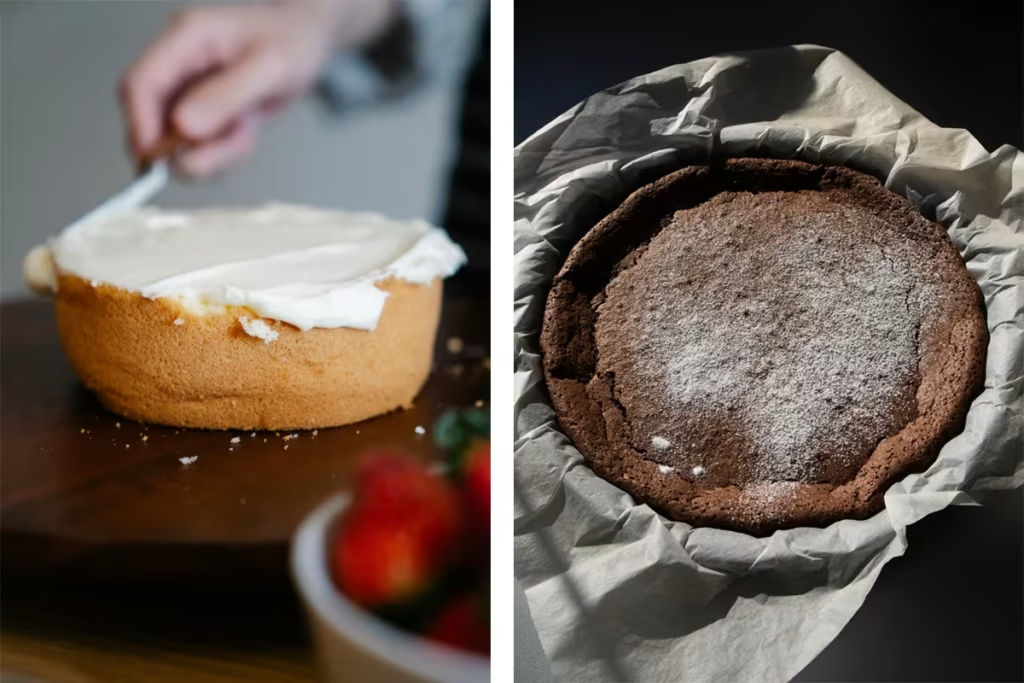
- Baking powder: The standard for vanilla cakes, pound cakes, and most layer cakes. Produces a fine, even crumb.
Quick Breads & Muffins
- Baking soda: For banana bread, pumpkin bread, or muffins with buttermilk or yogurt.
- Baking powder: For blueberry muffins, cornbread, or biscuits without acidic ingredients.
Pancakes & Waffles
- Baking soda: Buttermilk pancakes get their signature tang and fluffiness from the baking soda-buttermilk reaction.
- Baking powder: Regular pancakes or waffles made with milk use baking powder for rise.
Can You Substitute One for the Other? (And How)
Short answer: It’s possible, but tricky—and not always ideal. Here’s how to make it work if you’re in a pinch.
Substituting Baking Powder for Baking Soda
The challenge: Baking soda is 3-4 times stronger than baking powder, and you’ll lose the browning effect.
How to do it: Replace 1 teaspoon (5g) baking soda with 3 teaspoons (15g) baking powder. You’ll also need to reduce or eliminate any added salt in the recipe, since baking powder already contains salt.
When it works: In recipes where browning isn’t crucial (like light-colored cakes or muffins). Expect a slightly different texture—possibly lighter and less chewy.
When it doesn’t: Cookies or recipes that rely on browning and chewiness. Your chocolate chip cookies might come out pale and cakey.
Substituting Baking Soda for Baking Powder
The challenge: You need to add acid to activate the baking soda.
How to do it: Replace 1 teaspoon (5g) baking powder with ¼ teaspoon (1.25g) baking soda + ½ teaspoon (2.5ml) cream of tartar (or another acid like lemon juice or vinegar).
Alternatively, if your recipe already has some acid, you can use ¼ teaspoon (1.25g) baking soda for every 1 teaspoon (5g) baking powder, but reduce the acid in the recipe slightly to avoid over-leavening or a sour taste.
When it works: In a pinch for quick breads or muffins where you can adjust liquid ratios.
When it doesn’t: Recipes that need double-acting leavening or have no acidic ingredients.
Pro tip: Honestly? If a recipe calls for one, it’s best to stick with it or run to the store. Substitutions can affect rise, taste, and texture in ways that are hard to predict, especially for beginners.
Troubleshooting: What Happens If You Use the Wrong One?
Mistakes happen. Here’s what you might notice—and why:
Using Baking Soda Instead of Baking Powder
- What happens: Your batter might rise too fast and then collapse, creating a dense, sunken cake or flat cookies. If there’s not enough acid in the recipe, you’ll get a bitter, soapy taste and a greenish tint (especially in chocolate or vanilla baked goods).
- Why: Baking soda activates immediately and is too strong without enough acid to balance it.
Using Baking Powder Instead of Baking Soda
- What happens: Your baked goods might not brown well, taste slightly flat or less flavorful, and lack the chewy texture you’re expecting. Cookies could be pale and puffy instead of golden and spread out.
- Why: Baking powder is weaker and doesn’t promote browning the way baking soda does.
Using Too Much of Either
- Baking soda: Bitter, metallic taste; overly browned exterior; coarse, open crumb with big holes; possible collapse.
- Baking powder: Chalky or salty aftertaste; excessive rise followed by sinking; dry, crumbly texture.
Using Old or Expired Leaveners
- What happens: Poor rise, dense texture, flat cakes or cookies.
- Why: Baking soda and powder lose potency over time (typically good for 6-12 months after opening). Always test before using (see below).
If your cake sinks in the middle despite using the right leavener, it could also be underbaking, opening the oven door too early, or overmixing the batter—all common issues home bakers face.
How to Test If Yours Are Still Good
Both baking soda and baking powder lose their oomph over time. Here’s how to check if they’re still active:
Testing Baking Soda
Mix ½ teaspoon (2.5g) baking soda with 1 tablespoon (15ml) vinegar or lemon juice in a small bowl. If it fizzes vigorously and bubbles up right away, it’s good to go. No reaction? Time to replace it.
Testing Baking Powder
Mix ½ teaspoon (2.5g) baking powder with 2 tablespoons (30ml) hot water (not boiling—just warm tap water works). It should bubble immediately. If the fizzing is weak or nonexistent, toss it and buy fresh.
How often to replace:
- Baking soda: Lasts indefinitely if stored properly, but if you’re not sure, test it every 6-12 months.
- Baking powder: Check the expiration date on the container; it typically stays effective for 6 months to 1 year after opening. Write the date you opened it on the container with a marker.
Storage Tips to Keep Them Effective
Proper storage keeps these leaveners fresh and ready to work their magic:
- Keep them dry: Moisture activates both, so store in airtight containers away from the sink or dishwasher steam. Even a little humidity (common in places like the US South or UK) can cause clumping and reduce effectiveness.
- Cool, dark place: A pantry or cupboard away from the stove is ideal. Heat can degrade baking powder faster.
- Avoid contamination: Don’t dip wet spoons into the containers. Use a dry measuring spoon every time.
- Label and date: Write the date you opened them so you know when to test or replace.
In humid climates, some bakers keep baking powder in the fridge (in an airtight container) to extend its life, though this isn’t necessary if your pantry is dry.
Common Baking Problems and Their Fixes
Explaining the problems with baked goods again, so you can understand them easily.
Flat, Dense Cakes
Cause: Not enough baking powder, or you used baking soda without enough acid to activate it.
Fix: Check expiration dates (old leaveners lose potency) and measure carefully. For cakes, stick with baking powder unless the recipe includes buttermilk or yogurt.
Cookies That Spread Too Much (or Not Enough)
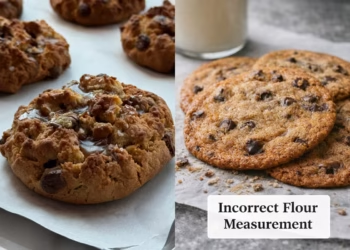
Cause: Baking soda encourages spread and browning. Too much = flat, crispy cookies. Baking powder makes them puffier.
Fix: If your cookies are too flat, reduce baking soda slightly or chill dough longer before baking. If they’re too cakey, swap some baking powder for a pinch of soda.
Bitter or Metallic Taste
Cause: Too much baking soda, or not enough acid to neutralize it.
Fix: Stick to the recipe’s measurements (usually ¼ teaspoon/1g per 1 cup/125g flour for soda). If experimenting, add acidic ingredients like brown sugar or a splash of lemon juice.
Muffins or Cakes That Dome Too Much (or Sink in the Middle)
Cause: Too much leavener creates big bubbles that collapse, or oven temperature’s off.
Fix: Level off your measuring spoons (don’t heap!). Use an oven thermometer—many home ovens run 25°F (10-15°C) hotter or cooler than the dial says.
Pale, Under-Browned Baked Goods
Cause: Baking powder doesn’t brown as well as baking soda (alkaline environments promote Maillard reaction, which creates golden color).
Fix: If you want deeper browning in cookies or quick breads, use baking soda with an acidic ingredient.
Tips for Perfect Rise Every Time
- Measure accurately: Level off your spoons with a knife. Too much leavener = weird taste and texture; too little = no rise.
- Don’t overmix: Once you add leaveners to wet ingredients, mix just until combined. Overmixing deflates bubbles and toughens gluten, giving you dense cakes.
- Work quickly with baking soda: Since it activates on contact, get batter into the oven within a few minutes of mixing. If you’re prepping ahead, use a recipe with baking powder instead.
- Store properly: Keep leaveners in a cool, dry place with lids tightly sealed. Moisture and heat make them clump and lose effectiveness. Most stay good for 6-12 months after opening.
- When doubling recipes: Don’t automatically double the leavener—it doesn’t scale the same way. Increase by 1.5x instead, then adjust if needed.
FAQs
Answers to the most asked questions by bakers about baking soda and baking powder.
Can I use baking soda and baking powder together in one recipe?
Yes! Many recipes use both to get the benefits of each—baking soda for browning and flavor balance, baking powder for extra lift and a lighter texture. Cookies and certain cakes often combine them for the best results.
Why do some chocolate chip cookie recipes use baking soda while others use baking powder?
It’s about texture and spread. Baking soda creates chewier, flatter cookies with crispy edges and deep browning—classic for chocolate chip cookies. Baking powder makes puffier, cake-like cookies that don’t spread as much. If you prefer thin and chewy, stick with recipes using baking soda (and brown sugar, which adds acid).
What if my recipe doesn’t specify which one to use?
This is rare in well-tested recipes, but if it happens, look at the other ingredients. If there’s buttermilk, yogurt, brown sugar, or another acidic ingredient, use baking soda. If the ingredients are neutral (milk, white sugar, etc.), use baking powder. When in doubt, find a similar recipe for guidance.
Does baking soda or baking powder actually expire?
Baking soda doesn’t technically expire but can lose effectiveness if exposed to moisture. Baking powder has a shorter shelf life—usually 6-12 months after opening—because the acid component degrades. Always test before using if you’re unsure, especially for important bakes like birthday cakes.
Can I make my own baking powder at home?
Absolutely. Mix 1 part baking soda with 2 parts cream of tartar plus 1 part cornstarch (to absorb moisture). For example, combine ¼ teaspoon (1.25g) baking soda, ½ teaspoon (2.5g) cream of tartar, and ¼ teaspoon (1.25g) cornstarch to equal 1 teaspoon (5g) baking powder. Use it right away—it’s single-acting, so it won’t have the double-rise of store-bought.
Why did my cake taste soapy or bitter?
You likely used too much baking soda or didn’t have enough acid in the recipe to neutralize it. Baking soda has a strong, unpleasant taste if not balanced by acidic ingredients. Double-check your measurements (level off teaspoons—don’t heap them) and make sure your recipe includes acid like buttermilk, yogurt, or brown sugar if using baking soda.
What happens if I forget to add baking soda or baking powder?
Your baked goods won’t rise much—they’ll be dense and heavy. Cookies might still taste okay (just flat), but cakes and muffins will be disappointing. If you catch it before baking, stir in the leavener gently, but know the texture might not be perfect.
How do I know if my baking powder or soda is still good?
Test it: Mix ½ teaspoon (2g) baking powder in hot water or ¼ teaspoon (1g) baking soda in vinegar. If it fizzes actively, it’s fresh. If the reaction’s weak or nonexistent, toss it and buy new.
Does altitude affect how much baking soda or powder I need?
It does. At high altitudes (above 3,000 feet/900m), reduce leaveners slightly—gases expand faster and can make baked goods rise too quickly, then collapse. Start by cutting baking powder or soda by about 15-25% and increase liquids a bit.
Conclusion
Understanding the difference between baking soda and baking powder is one of those game-changing baking skills that’ll save you from flat cakes, weird-tasting cookies, and head-scratching recipe failures. Now you know that baking soda needs acid to activate and creates browning and chewiness, while baking powder is self-contained and gives you lift without needing extra ingredients.
Stick to what the recipe calls for whenever possible, store your leaveners properly, and test them before big baking projects. You’re all set to bake with confidence—whether you’re whipping up chewy chocolate chip cookies or a fluffy vanilla cake. Happy baking!
And Lastly, if you want to learn everything about baking at home, how an oven works, diffrence between Convection vs Conventional Oven, the Ultimate Oven Temperature Guide for Baking, Measure Baking Ingredients Accurately, and How Baking Works for Beginners, you can read each and every comprehensive article about baking I posted already.