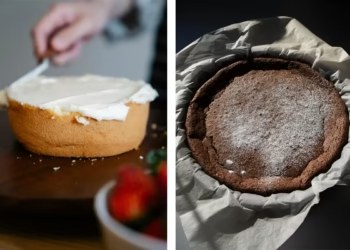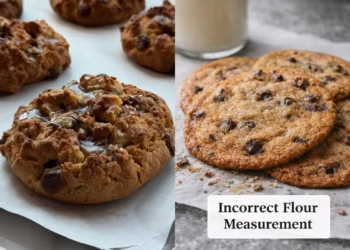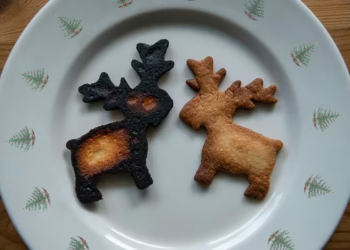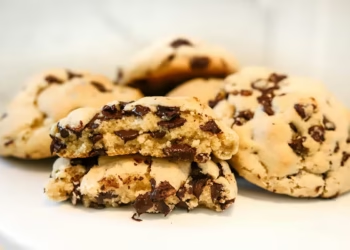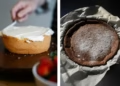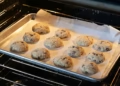

If you’ve ever wondered how ovens work for baking— and why your cookies browned unevenly or why your cake rose beautifully on one side but stayed flat on the other, the answer might not be your recipe—it could be your oven.
Understanding how your oven actually works is one of the most valuable skills you can develop as a baker. It’s not complicated, but it makes a real difference. When you know where the heat comes from, how temperature affects your bake, and why rack placement matters, you’ll start getting consistent, reliable results every time.
This guide will walk you through the basics of oven heat, temperature control, and practical tips that’ll help you bake with more confidence—even if you’re just starting out.
Quick Guide Summary
- What this guide covers: How ovens generate and distribute heat, what temperature settings really mean, and how to position your baked goods for the best results
- Why it matters: Understanding your oven helps you avoid common baking problems like uneven browning, underbaked centers, and burnt edges
- Difficulty level: Beginner-friendly—no technical knowledge required
- Key takeaway: Small adjustments in rack position and temperature awareness can dramatically improve your baking outcomes
Table of Contents
What an Oven Does When You Bake
Your oven is basically a box that heats up and maintains a steady temperature. That’s it. But that simple function is what transforms raw dough into golden cookies, fluffy cakes, and crispy-crusted bread.
When you set your oven to 350°F, heating elements (either electric coils or gas burners) turn on and warm the air inside. A thermostat monitors the temperature, turning the heat on and off to keep things steady.
The goal is consistent, even heat that surrounds your food from all sides. That’s what allows baked goods to rise, brown, and cook through properly.
But here’s the thing: not all ovens heat evenly, and understanding how yours behaves is the first step to better baking.
How Ovens Create and Distribute Heat
Ovens use one of two heat sources: electric elements or gas flames.
Electric Ovens
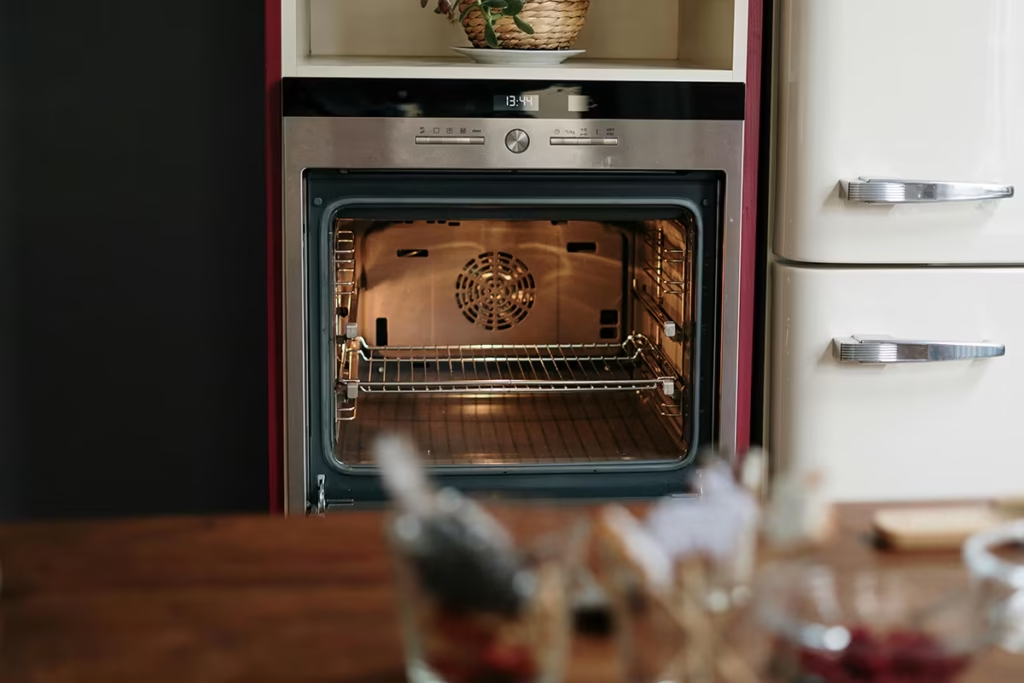
Electric ovens have heating elements—usually metal coils—located at the top and bottom of the oven cavity. When you turn the oven on, these elements glow red-hot and radiate heat into the space.
- The bottom element does most of the work during baking. It heats the oven and provides the foundation heat that rises naturally.
- The top element (broiler) is typically used for browning or broiling, not for regular baking.
Heat rises, so the top of your oven tends to be slightly warmer than the bottom, even when the thermostat says otherwise.
Gas Ovens
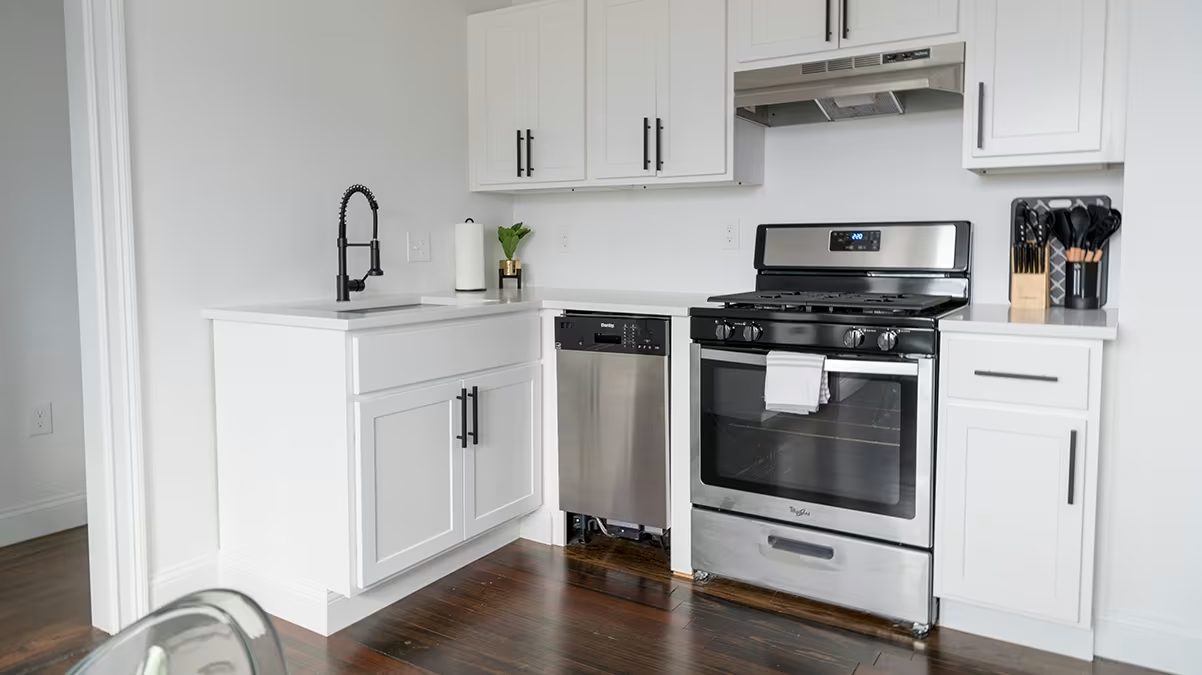
Gas ovens burn natural gas or propane through burners, usually located at the bottom. The flame heats the oven directly, and the heat radiates upward.
Gas ovens tend to have slightly more moisture in the air because burning gas produces water vapor. This can affect crusts and browning, especially for bread and pastries.
How Heat Moves
Once the heating elements or burners warm the air, heat spreads through the oven in three ways:
- Radiation: Heat radiates directly from the hot elements or burner flames.
- Conduction: Heat transfers through the metal racks and baking pans.
- Convection: Warm air circulates naturally (or with a fan, in convection ovens).
Understanding this helps explain why rack placement and pan type matter so much.
Why Oven Temperature Really Matters
Temperature controls how fast (or slow) baking happens. It affects texture, rise, browning, and moisture.
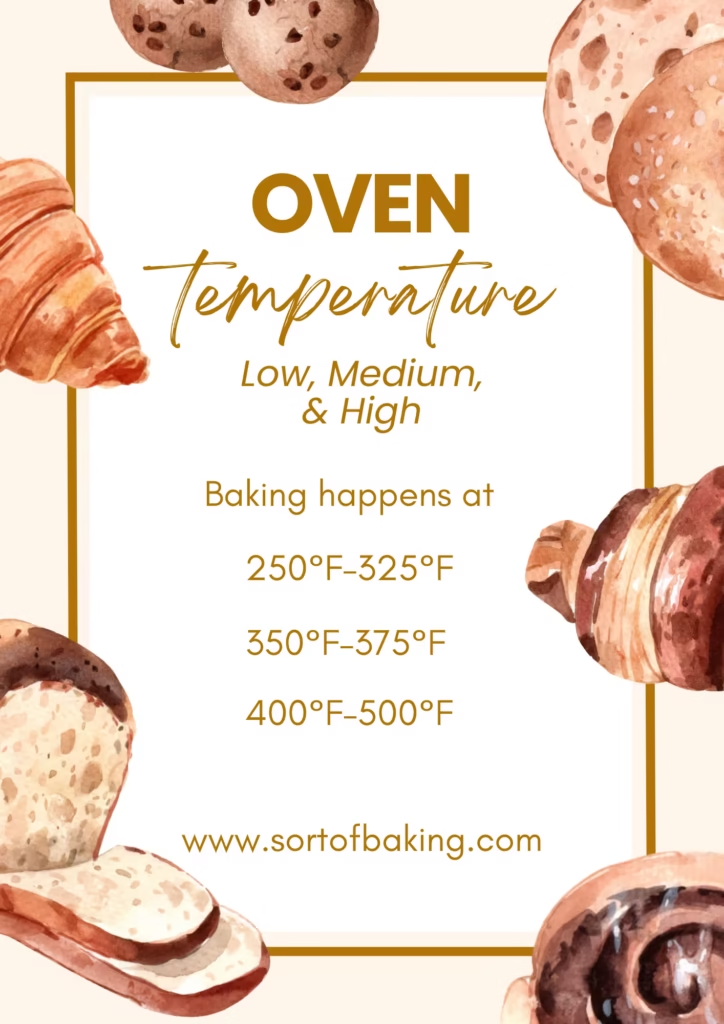
Low Temperatures (250°F–325°F)
Low heat bakes gently and slowly. It’s ideal for:
- Meringues
- Slow-roasted items
- Delicate cakes that need even, gentle heat
At lower temps, the outside won’t brown too quickly, giving the inside time to cook through.
Medium Temperatures (350°F–375°F)
This is the sweet spot for most baking. It’s hot enough to create lift and browning, but not so hot that the outside burns before the inside is done.
- Cookies
- Cakes
- Muffins
- Quick breads
Most recipes you’ll find are written for this range.
High Temperatures (400°F–500°F)
High heat creates quick browning and crisp exteriors. It’s great for:
- Pizza
- Crusty bread
- Roasted vegetables
- Puff pastry
At these temperatures, the outside sets and browns fast, which is exactly what you want for certain textures.
Why Preheating Matters
If you don’t preheat, your oven hasn’t reached the target temperature yet. That means your bake starts in a cooler oven and heats up gradually—which can mess with timing, texture, and rise.
Always preheat for at least 15–20 minutes, especially for baking. Some ovens take longer to stabilize, so give it time.
The Truth About Oven Hot Spots
Even if your oven says it’s 350°F, the temperature isn’t always the same everywhere inside. Most ovens have hot spots—areas that run hotter or cooler than others.
This happens because:
- Heat sources are positioned in specific spots (usually the back or bottom).
- Air doesn’t always circulate perfectly.
- Oven insulation and door seals vary.
How to Test for Hot Spots
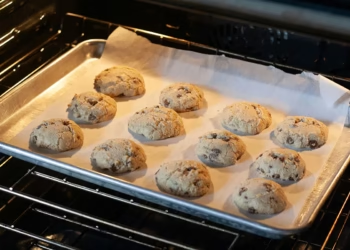
Place a sheet of white bread slices across a baking sheet and bake at 350°F for a few minutes. The slices that brown faster show you where the hot spots are.
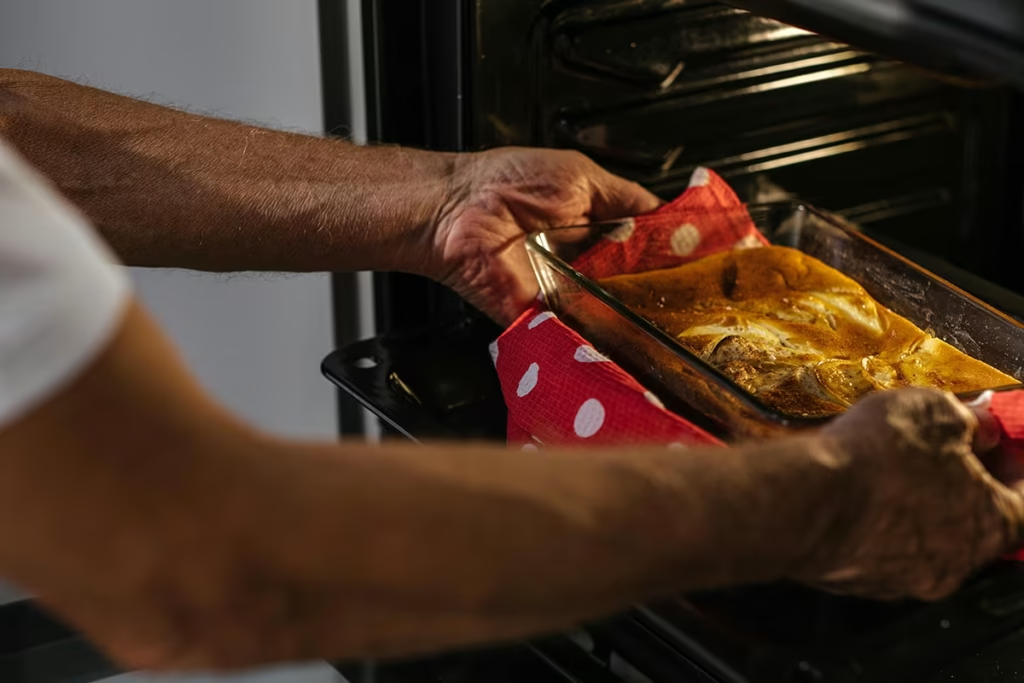
This simple test can explain a lot about why your cookies brown unevenly or why one side of your cake rises more than the other.
How to Work Around Hot Spots
- Rotate your pans halfway through baking.
- Avoid placing pans directly against the back wall.
- Use an oven thermometer to check actual temperature in different zones.
Rack Placement: Where to Position Your Baking
Where you place your pan in the oven has a bigger impact than most beginners realize.
Top Rack
The top of the oven is the hottest spot because heat rises. Use the top rack when you want:
- Quick browning on top
- Broiling
- Gratins or casseroles with a crispy top layer
Avoid the top rack for delicate cakes or anything that needs gentle, even heat.
Middle Rack (Most Common)
The center of the oven is where heat is most balanced. This is the default position for almost all baking:
- Cakes
- Cookies
- Muffins
- Bread
When a recipe doesn’t specify rack placement, assume middle rack.
Bottom Rack
The bottom rack is closer to the heat source, which makes it ideal for:
- Pizza (crispy bottom crust)
- Pie crusts (to avoid soggy bottoms)
- Anything that needs a well-browned base
But be careful—the bottom rack can cause over-browning if you’re not watching closely.
Baking Multiple Sheets
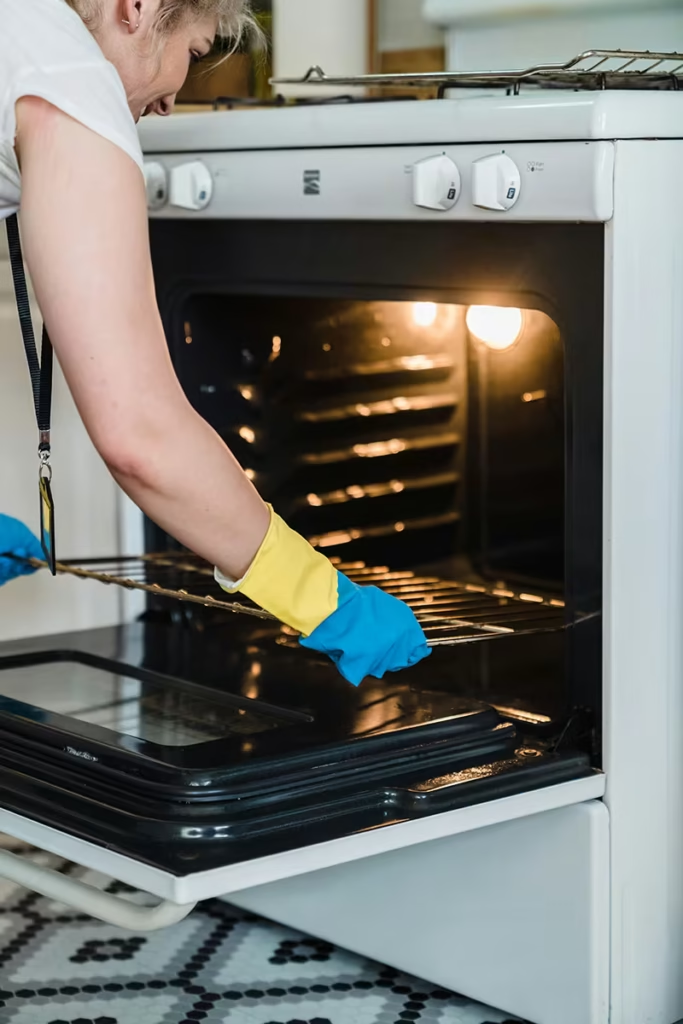
If you’re baking two sheets of cookies at once, place one rack in the upper third and one in the lower third. Rotate the sheets halfway through to ensure even baking.
Avoid crowding the oven. Air needs space to circulate for even heat distribution.
Convection vs. Conventional: What’s the Difference?
Conventional Ovens
In a conventional oven, heat comes from the top and/or bottom elements, and air circulates naturally. It’s simple, reliable, and what most home bakers use.
Convection Ovens
Convection ovens have a fan (and sometimes an additional heating element) that circulates hot air throughout the oven. This creates more even heat and often faster cooking.
Benefits of convection:
- More even browning
- Faster baking (usually 25°F lower or 20% less time)
- Great for cookies, roasted vegetables, and pastries
When to avoid convection:
- Delicate cakes that might deflate from the fan’s airflow
- Custards or soufflés
- Recipes that rely on still air for structure
If your oven has a convection setting, experiment with it. Just remember to reduce the temperature by about 25°F or check for doneness a few minutes early.
Common Oven Problems and How to Fix Them
Uneven Baking
Cause: Hot spots, poor air circulation, or incorrect rack placement.
Fix: Rotate pans halfway through. Test for hot spots. Use the middle rack unless a recipe says otherwise.
Oven Runs Too Hot or Too Cold
Cause: Faulty thermostat or sensor.
Fix: Use an oven thermometer to check the actual temperature. Adjust your dial accordingly (e.g., if your oven runs 25°F hot, set it 25°F lower than the recipe calls for).
Burnt Bottoms
Cause: Too close to the bottom heating element, or a dark pan that absorbs too much heat.
Fix: Move the rack up one level. Use lighter-colored pans. Place a second baking sheet underneath as a heat buffer.
Pale, Undercooked Tops
Cause: Not enough top heat, or oven temperature is too low.
Fix: Move the rack up slightly. Increase oven temperature by 10–15°F. If needed, finish under the broiler for 1–2 minutes (watch closely).
Door Doesn’t Seal Properly
Cause: Worn gasket or hinge issues.
Fix: Check the rubber seal around the door. If it’s cracked or loose, it may need replacing. A poor seal lets heat escape, making your oven work harder and bake unevenly.
Practical Tips for Better Baking Results
Invest in an Oven Thermometer
Your oven’s built-in thermometer isn’t always accurate. A standalone oven thermometer (under $10) shows you the real temperature inside.
Place it on the middle rack and check it regularly. If your oven runs hot or cold, you’ll know exactly how much to adjust.
Preheat Fully
Don’t rush this step. Even if the oven beeps, give it an extra 5–10 minutes to stabilize, especially for baking that requires precision.
Avoid Opening the Door Repeatedly
Every time you open the oven, the temperature drops. If you need to check on something, use the oven light and look through the window instead.
Only open the door when it’s time to rotate pans or check for doneness near the end of baking.
Use Light-Colored Pans for Even Baking
Dark pans absorb more heat and can cause over-browning on the bottom. Light-colored aluminum or stainless steel pans reflect heat and bake more evenly.
Don’t Overcrowd the Oven
Air needs to circulate. Leave at least 2 inches of space between pans and the oven walls. If you’re baking multiple items, stagger them so they’re not directly above or below each other.
Rotate for Consistency
Even in the best ovens, rotating pans halfway through ensures more even results. Turn them 180 degrees so the side that was in the back is now in the front.
FAQs
How do I know if my oven temperature is accurate?
Use an oven thermometer placed on the middle rack. Preheat the oven to 350°F and check the thermometer after 20 minutes. If it reads higher or lower, adjust your temperature settings accordingly. Many ovens run 10–25°F off, and knowing this helps you bake more accurately.
Why do my cookies bake unevenly?
Uneven baking usually comes from hot spots or incorrect rack placement. Make sure you’re using the middle rack, and rotate the pan halfway through baking. Also, avoid placing the pan too close to the back wall where heat tends to concentrate.
Should I use convection or regular bake for cookies?
Convection works great for cookies because the circulating air creates even browning. Just reduce the temperature by 25°F or check a few minutes early. If your cookies are delicate or you want a softer texture, stick with conventional baking.
What’s the best rack position for cakes?
The middle rack is best for cakes. It provides the most balanced heat, which helps cakes rise evenly without over-browning on the top or bottom. Avoid the top rack unless you’re specifically trying to brown the top quickly.
How long should I preheat my oven?
At least 15–20 minutes for most baking. Some ovens need longer to stabilize, especially older models or gas ovens. If you’re baking something temperature-sensitive like bread or pastries, give it the full 20 minutes.
Why does the bottom of my pie crust stay soggy?
This usually happens when the bottom isn’t getting enough direct heat. Try baking on the lower rack, which is closer to the heat source. You can also use a preheated baking stone or place the pie pan on a preheated baking sheet to boost bottom heat.
Conclusion
Understanding how your oven works doesn’t require any special skills—just a little observation and a few smart adjustments. Once you know where the heat comes from, how temperature affects your bake, and why rack placement matters, you’ll start seeing better, more consistent results.
Your oven isn’t perfect, and that’s okay. The key is learning how it behaves and working with it, not against it. Use an oven thermometer, preheat properly, and don’t be afraid to rotate your pans. These small habits make a real difference.
The more you bake, the better you’ll understand your oven’s quirks. And that knowledge will give you the confidence to tackle any recipe.