

There’s something magical about sliding a tray of cookies or a bubbling casserole into your oven and watching it transform. But if you’ve ever hesitated before turning that dial—wondering if you’re using it correctly, or if that cracked dish is actually safe—you’re not alone.
Home ovens are incredibly safe when used properly, but myths and outdated advice can make beginners nervous. From confusion about what materials belong in the oven to worries about burns or fires, it’s easy to second-guess yourself.
This guide clears up the most common oven safety myths, explains what actually poses a risk, and gives you the confidence to bake without worry. You’ll learn which materials are oven-safe, how to prevent accidents, and what simple habits keep your kitchen safe every time you preheat.
Quick Safety Summary
- Home ovens are safe when used correctly with proper materials and basic precautions
- Most accidents come from placing the wrong items inside or not monitoring food properly
- Oven-safe materials include metal, certain glass, ceramic, and stoneware—always check labels
- Temperature limits matter: even oven-safe items have maximum heat thresholds (usually 400–500°F)
- Prevention is simple: use dry mitts, keep flammable items away, and never leave the oven unattended for long periods
Table of Contents
What This Guide Is
This is a straightforward oven safety guide for home bakers and cooks who want clear, practical answers.
Many people grow up with vague warnings—don’t put plastic in the oven, don’t use a wet mitt, watch out for glass—but rarely get the full picture. This guide cuts through the confusion and focuses on what actually matters for everyday baking and roasting.
You’ll learn which common beliefs about oven safety are outdated or exaggerated, and which precautions genuinely prevent accidents. Whether you’re a beginner worried about using your oven for the first time or an experienced cook double-checking before trying a new dish, this guide gives you the facts you need.
Why Oven Safety Myths Exist
Oven safety myths often stem from real incidents that get generalized incorrectly.
For example, someone once had a glass dish shatter from thermal shock (rapid temperature change), so the story spreads that “all glass explodes in ovens.” In reality, oven-safe glassware is designed for high heat—it’s the misuse (like going from freezer to hot oven) that causes problems.
Other myths come from mixing up microwave and oven rules. Microwave radiation works differently than convection or radiant oven heat, so materials that are dangerous in microwaves (metal, foil) behave differently in conventional ovens.
Understanding why things go wrong helps you avoid the actual risks without unnecessary worry. To learn more about how your oven generates and distributes heat, check out our guide on how ovens work for baking.
Common Oven Safety Myths—Debunked
Myth 1: Glass Always Explodes in the Oven
Reality: Oven-safe glass (like Pyrex or borosilicate glass) is designed to handle high heat safely. Problems arise when glass experiences sudden temperature changes—like placing a cold dish into a preheated oven or setting a hot dish on a wet counter.
If your glassware is labeled oven-safe and you avoid extreme temperature shocks, it’s perfectly safe. For detailed guidelines on using Pyrex safely, the manufacturer provides official oven safety instructions that cover proper handling and temperature limits.
Myth 2: You Can’t Use Aluminum Foil in the Oven
Reality: Aluminum foil is safe in conventional ovens and commonly used to cover dishes, line pans, or tent roasts. The confusion comes from microwave ovens, where metal foil can spark.
Just avoid placing foil directly on the oven floor (it can block heat circulation or damage heating elements), and never use it in microwave mode.
Myth 3: Ceramic and Stoneware Crack Easily
Reality: Quality ceramic and stoneware are built for oven use and handle high heat well. Cracking usually happens from thermal shock—similar to glass—not from normal baking.
Avoid placing cold stoneware into a hot oven, and let hot dishes cool gradually. Most cracks come from dropping or sudden temperature extremes, not routine baking.
Myth 4: Only Metal Cookware Is Safe
Reality: While metal (stainless steel, cast iron, carbon steel) is reliably oven-safe, many other materials work beautifully. Oven-safe glass, ceramic, and stoneware are staples in home baking.
The key is checking labels and knowing temperature limits. Many ceramic dishes are safe to 450°F, while some decorative pieces aren’t meant for ovens at all.
Myth 5: Leaving the Oven Door Open Warms Your Kitchen Safely
Reality: This is inefficient and poses burn risks, especially in homes with children or pets. Ovens aren’t designed for space heating, and the open door creates a hot surface at floor level where accidents happen.
If your kitchen is cold, adjust your home heating—not your oven habits.
What’s Actually Safe to Put in Your Oven
Here’s what belongs in your oven without worry:
Metal Cookware
- Stainless steel, cast iron, carbon steel: Safe at any home oven temperature.
- Aluminum pans: Disposable or reusable aluminum is fine.
- Enamel-coated cast iron (like Dutch ovens): Safe up to very high heat, usually 500°F+.
Check handles: Some pots have plastic or silicone handles rated only to certain temps (often 350–400°F). Remove them or use oven-safe alternatives.
Oven-Safe Glass
- Pyrex, Anchor Hocking, or labeled oven-safe glass: Usually safe to 425–450°F.
- Avoid thermal shock: Don’t go from freezer to oven, or hot oven to cold water.
Ceramic and Stoneware
- Glazed baking dishes, casserole dishes, pie plates: Most are safe to 450°F or higher.
- Unglazed stoneware: Often safe to 500°F+; popular for pizza stones and bread baking.
Always check the bottom for an oven-safe symbol or maximum temperature.
Silicone Bakeware
- Muffin pans, loaf pans, baking mats: Safe to around 450°F, sometimes higher.
- Flexible and nonstick, but check manufacturer limits.
Aluminum Foil
- Use to cover dishes, line pans, or tent roasts.
- Don’t place directly on the oven bottom.
Materials That Should Never Go in the Oven
Some materials pose serious risks:
Plastic (Most Types)
- Melts and releases fumes at oven temperatures.
- This includes plastic wrap, bags, containers, and utensils.
- Even “microwave-safe” plastic is not oven-safe.
Non-Oven-Safe Glass
- Drinking glasses, decorative bowls, thin glass containers: These aren’t tempered for heat and can shatter.
- If it’s not labeled oven-safe, don’t risk it.
Wooden Utensils and Cutting Boards
- Wood can char, crack, or catch fire at high heat.
- Use wooden spoons for stovetop stirring, not oven baking.
Cardboard and Paper (Unintended)
- Pizza boxes, paper plates, napkins: Fire hazards.
- Parchment paper is safe (up to around 420–450°F), but cardboard is not.
Pots with Plastic or Rubber Handles
- Handles rated below your baking temperature can melt or emit fumes.
- Wrap handles in foil or remove them if possible.
Styrofoam
- Melts immediately and releases toxic fumes.
- Never place takeout containers in the oven.
When in doubt: Check the bottom of your dish for an oven-safe symbol or temperature rating. If there’s no label, assume it’s not oven-safe.
Preventing Burns and Accidents
Most oven injuries are preventable with simple habits. The USDA’s kitchen safety guidelines emphasize proper handling and awareness as key to preventing accidents.
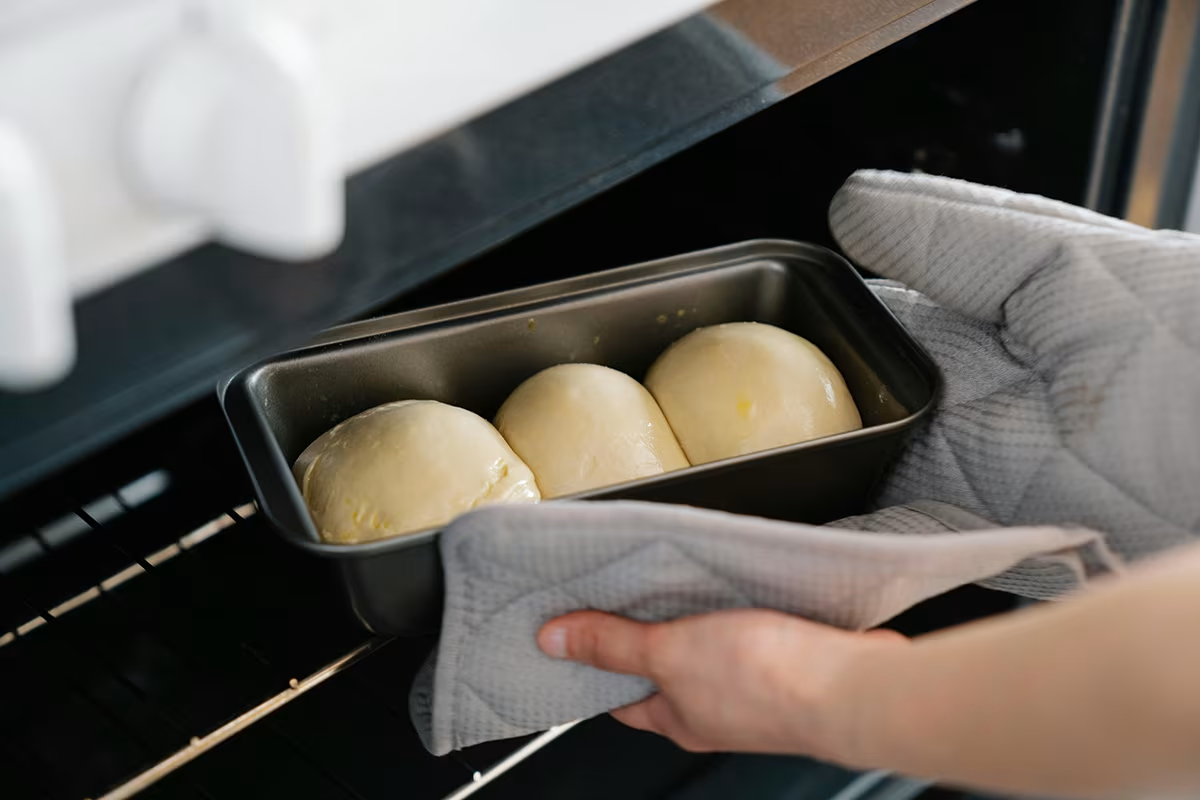
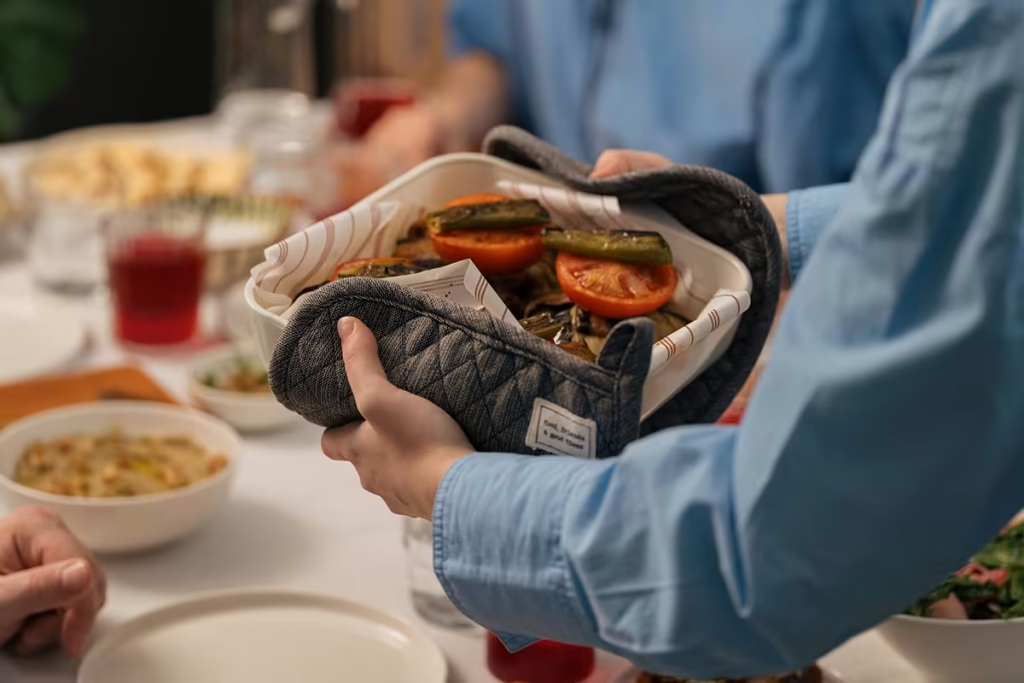
Use Dry Oven Mitts or Pot Holders
- Wet mitts conduct heat and can cause steam burns instantly.
- Keep a dedicated pair of thick, dry mitts near your oven.
Open the Oven Door Carefully
- Steam rushes out when you open the door, especially with covered dishes.
- Stand slightly to the side and open slowly to let steam escape away from your face.
Position Racks Before Preheating
- Adjusting racks in a hot oven increases burn risk.
- Set them at the right height while the oven is cool.
Don’t Reach Over Hot Pans
- Pull the rack out slightly to access dishes in the back.
- Avoid stretching your arms over hot surfaces.
Keep Flammable Items Away
- Dish towels, oven mitts, paper, and plastic bags should be stored away from the oven.
- Many kitchen fires start from a towel draped too close to a hot stove or oven.
Supervise Children and Pets
- Hot oven doors and surrounding surfaces can cause burns.
- Teach kids to stay back when the oven is on.
Fire Safety and What to Do If Something Goes Wrong
Kitchen fires are one of the leading causes of home fires. The National Fire Protection Association provides detailed kitchen fire safety tips that every home cook should know.
Preventing Oven Fires
- Keep the oven clean: Grease and food buildup can ignite.
- Don’t overfill pans: Spills create smoke and potential flare-ups.
- Monitor cooking times: Never leave the oven unattended for long periods, especially at high heat or with fatty foods.
If Food Starts Smoking
- Turn off the oven and let it cool with the door closed.
- Opening the door feeds oxygen to smoldering food, making it worse.
- Once cool, clean up the spill.
If a Fire Starts Inside the Oven
- Keep the door closed and turn off the oven immediately.
- The lack of oxygen will smother small fires.
- Never open the door—this can cause flames to flare up.
- If the fire doesn’t go out quickly, call emergency services.
Never Use Water on a Grease Fire
- Water spreads grease fires and makes them worse.
- If a grease fire happens on the stovetop (not in the oven), smother it with a metal lid or use a fire extinguisher rated for grease fires (Class K or Class B).
Install a Smoke Detector
- Place one near (but not directly above) your kitchen.
- Test it monthly and replace batteries as needed.
Most oven fires are small and preventable. Keeping your oven clean and staying nearby while baking eliminates most risks.
Common Mistakes and How to Fix Them
Placing Cold Glass Directly into a Hot Oven
Why it’s risky: Rapid temperature change causes thermal shock and can shatter glass.
Fix: Let glass warm to room temperature first, or place it in a cold oven and then preheat. Gradual heating prevents cracking.
Using a Wet Oven Mitt
Why it’s risky: Water conducts heat much faster than fabric, causing instant steam burns.
Fix: Always use completely dry mitts. If they get wet, swap them out immediately.
Ignoring Maximum Temperature Labels
Why it’s risky: Even oven-safe dishes have limits. Exceeding them can warp, crack, or melt materials.
Fix: Check the bottom of your dish for a max temp (usually 400–500°F). If you’re baking hotter, use metal instead.
Covering the Oven Bottom with Foil
Why it’s risky: Blocks heat circulation and can damage heating elements or cause uneven baking.
Fix: If you’re worried about drips, place a baking sheet on a lower rack to catch spills instead.
Leaving Wooden Utensils or Plastic Items Inside
Why it’s risky: Wood chars and plastic melts.
Fix: Remove all utensils, plastic lids, and non-oven-safe items before preheating. Do a quick visual check every time.
Opening the Oven Door Too Often
Why it’s risky: Not a safety issue, but it drops the temperature and increases baking time. For safety, it also releases bursts of steam.
Fix: Use the oven light and window to check progress. Only open when necessary.
Safe Baking Habits for Beginners
Building these habits makes oven use worry-free:
Always Preheat Properly
- Most recipes assume a fully preheated oven.
- This prevents uneven baking and reduces the chance of placing dishes in a malfunctioning oven.
Set a Timer
- Even experienced bakers forget food in the oven.
- Use a timer on your phone or oven to avoid overcooking or burning.
Check Oven-Safe Labels Every Time
- Don’t assume a dish is safe just because it looks sturdy.
- Make it a habit to flip dishes over and check the label before using them.
Keep the Oven Clean
- Wipe up spills after the oven cools.
- Deep clean every few months to prevent smoke and buildup.
Use the Right Rack Position
- Top third: Broiling, browning tops.
- Middle rack: Most baking (cakes, cookies, casseroles).
- Bottom third: Roasting, crusty bread, pizza.
Don’t Overcrowd the Oven
- Air needs to circulate for even heat.
- Leave space between pans and avoid blocking vents.
Stay Nearby
- Especially with new recipes or high temperatures.
- You don’t need to hover, but stay in the house and check periodically.
These simple steps prevent most accidents and improve your baking results at the same time.
FAQs
Q: Can I put a cold glass dish into a preheated oven?
Not recommended. Sudden temperature changes can cause oven-safe glass to crack or shatter. Let the dish come to room temperature first, or place it in a cold oven and preheat gradually. This prevents thermal shock and keeps your glassware intact.
Q: Is it safe to leave the oven on and go to bed?
No. Never leave an oven unattended for long periods, especially overnight. While modern ovens have safety features, malfunctions or food spills can cause smoke or fire. Always turn off the oven before leaving the house or going to sleep.
Q: Can aluminum foil touch the heating elements in my oven?
Avoid it. Foil touching heating elements can melt or cause sparking in some ovens. Use foil to cover dishes or line pans, but don’t drape it directly over elements or place it on the oven floor. Keep a small gap for safety.
Q: What should I do if my oven smokes every time I use it?
This usually means built-up grease or food residue is burning. Turn off the oven, let it cool, and clean it thoroughly using an oven cleaner or a baking soda paste. If smoking continues after cleaning, check for spills on the bottom or contact a technician.
Q: Are nonstick pans safe in the oven?
Most are, but check the label. Nonstick coatings typically handle 350–450°F safely, but cheap or damaged pans may release fumes at high heat. If the handle is plastic, it likely has a lower limit. Use metal or cast iron for anything above 450°F.
Q: Can I use parchment paper at any oven temperature?
Parchment paper is generally safe up to 420–450°F, depending on the brand. At higher temperatures, it can darken or become brittle (though it rarely ignites in home ovens). For very high-heat baking (500°F+), use a silicone mat or bare metal pans instead.
Conclusion
Baking in your home oven is safe, straightforward, and rewarding once you understand a few simple rules.
Most accidents come from using the wrong materials or skipping basic precautions—not from the oven itself. By choosing oven-safe cookware, using dry mitts, keeping flammable items clear, and staying nearby while baking, you eliminate nearly all risks.
You don’t need to overthink it. Just check labels, avoid thermal shocks with glass, and trust your instincts. With these oven safety basics, you’re already ahead of most new bakers—and ready to bake with confidence.




Comments 1