

Premier 9007270 Enamelon Fluoride Toothpaste, Protection Against Painful Sensitivity-Helps Prevent Gingivitis, Mint Breeze, Pack of 2
Product details
| Management number | 209602318 | Release Date | 2026/03/29 | List Price | $15.60 | Model Number | 209602318 | ||
|---|---|---|---|---|---|---|---|---|---|
| Category | |||||||||
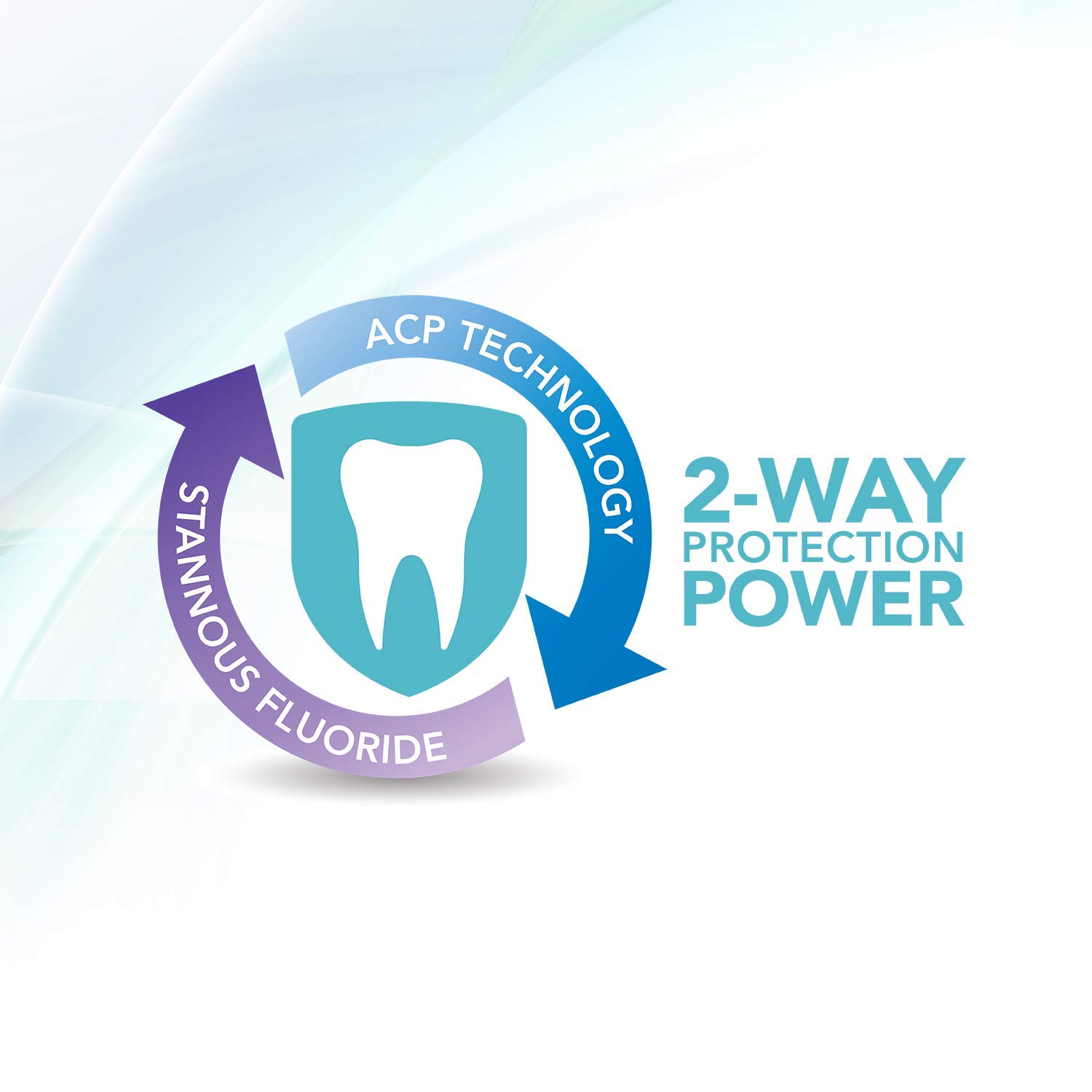
Product Description The Remineralizing Technology of Amorphous Calcium Phosphate Amorphous Calcium Phosphate (ACP) - Building blocks of tooth mineral 1,2,3,4 The most reactive and soluble calcium phosphate compound, ACP forms on the tooth enamel, within the dentinal tubules and provides a calcium and phosphate reservoir. Research shows that available ACP on the enamel can prevent damaging erosion by stimulating remineralization of tooth structure.5,6,7 Introducing calcium and phosphate back into the surface of the tooth with products containing ACP technology is an ideal strategy to reverse the demineralization process. The ACP-forming ingredients also strengthen teeth by acting as an enhanced fluoride delivery system to deliver more fluoride than products without ACP.23 The patient has the benefit of fluoride uptake without greater exposure to higher fluoride concentrations or volumes. ACP combines with fluoride to desensitize dentin. Fluoride, along with ACP, occludes tubules by depositing tooth-like minerals to create a semi-permanent reduction in hydraulic conductance. This is a proven mechanism to reduce dentinal hypersensitivity. Value of Fluoride Sources Fluoride reacts with tooth mineral, forming either fluoridated apatite (firmly-bound) or calcium fluoride (loosely-bound). Firmly-bound fluoride, incorporated onto the surface of the crystals of apatite, can reduce the solubility of tooth mineral and hence inhibit demineralization due to acids generated by plaque bacteria.5 Loosely-bound (labile F) fluoride provides a relatively slow-release form of ionic fluoride to plaque and saliva.6 There has been renewed interest in loosely-bound fluoride as a reaction product of fluoridation to act as a potential “reservoir” source of solution fluoride enhancing remineralization and retarding demineralization processes.6 1. Tung, M.S., Eichmiller, F.C., Paffenberger Research Center. ADAHF. NIST. Gaithersburg, MD. “Dental Applications of Amorphous Calcium Phosphates” Journal of Clinical Dentistry, Vol.10, Issue 1, 1999. / 2. Tung, M.S., Eichmiller, F.C. “ACP for Tooth Mineralization”, Compendium Cont. Educ Dent, Vol 25, No. 9, Suppl. 1, Sept. 2004, p 9-13. Journal Code 9600713, Journal Subset MEDJSD, ISSN 1548-8578. Corp. Author: American Dental Association Foundation. / 3. Tung, M., Eichmiller, F., Gibson, H., Ly, A., Skrtic, D., Schumacher, G., (ADAHF Paffenbarger Research Center, NIST, Gaithersburg, MD), “Dentin Desensitization by in situ Formation of Calcium Phosphate“, J. Dent Res 76 (IADR Abstracts):2985, 1997 / 4. Tung,M.S., O’Farrell, T.J., Liu, D.W.,Paffenbarger Research Center. ADAHF. NIST. Gaithersburg, MD. “Remineralization by Amorphous Calcium Phosphate Compounds” Journal of Dental Research, Vol. 72, Abstract No. 1738, 1993. / 5. Schemehorn,B.R., Wood, G.D., McHale, W., Winston, A.E., “Comparison of Fluoride Uptake into Tooth Enamel from Two Fluoride Varnishes Containing Different Calcium Phosphate Sources”, J Clin Dent, 2011;22:51-54. / 6. White, D.J and Nancollas, G.H. “Physical and Chemical Considerations of the role of firmly and loosely bound fluoride in caries prevention”, J Dent Res., 1990, 69:587-594. / 7. Tung, M.S., Malerman, R., Huang, S. and McHale, W.A. “Reactivity of Prophylaxis Paste Containing Calcium, Phosphate and Fluoride Salts”, Journal of Dental Research, Vol. 84, Special Issue A, IADR Abstracts, 2005 Manufacturer Contact Information 610-239-6000
- Aids in the prevention of cavities
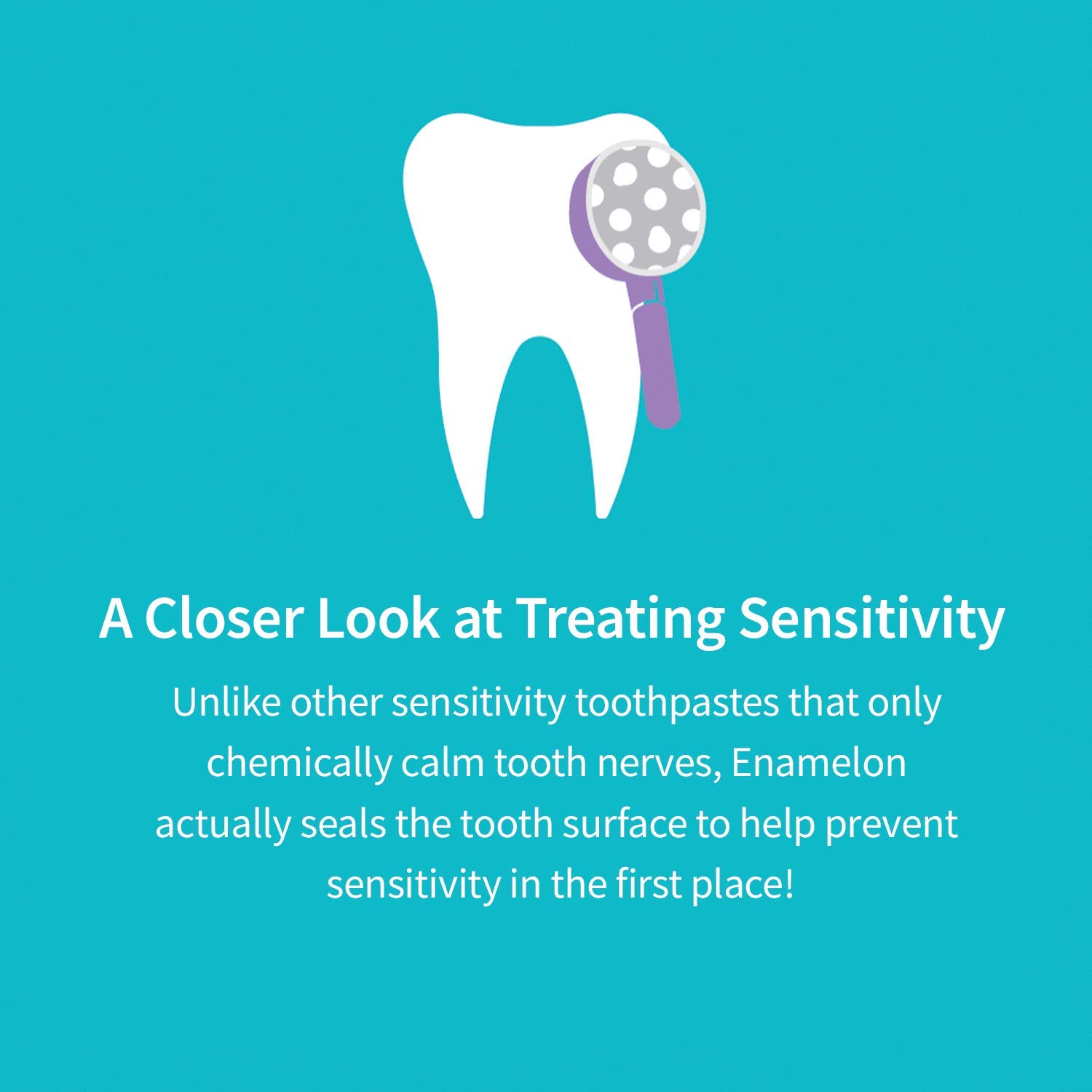
- Builds increasing protection against painful sensitivity of the teeth to cold, heat, acids, sweets or contact
- Helps prevent gingivitis
- Helps interfere with the harmful effects of plaque associated with gingivitis
- Delivers more fluoride uptake to the teeth
| Item Weight | 10.2 ounces |
|---|---|
| Manufacturer | Premier |
| Item model number | 9007270 |
| Product Dimensions | 6.69 x 3.15 x 1.65 inches |
| Is Discontinued By Manufacturer | No |


Bestseller ranking
Window



Customers who viewed this product also viewed
Toothpaste



Correction of product information
If you notice any omissions or errors in the product information on this page, please use the correction request form below.
Correction Request Form