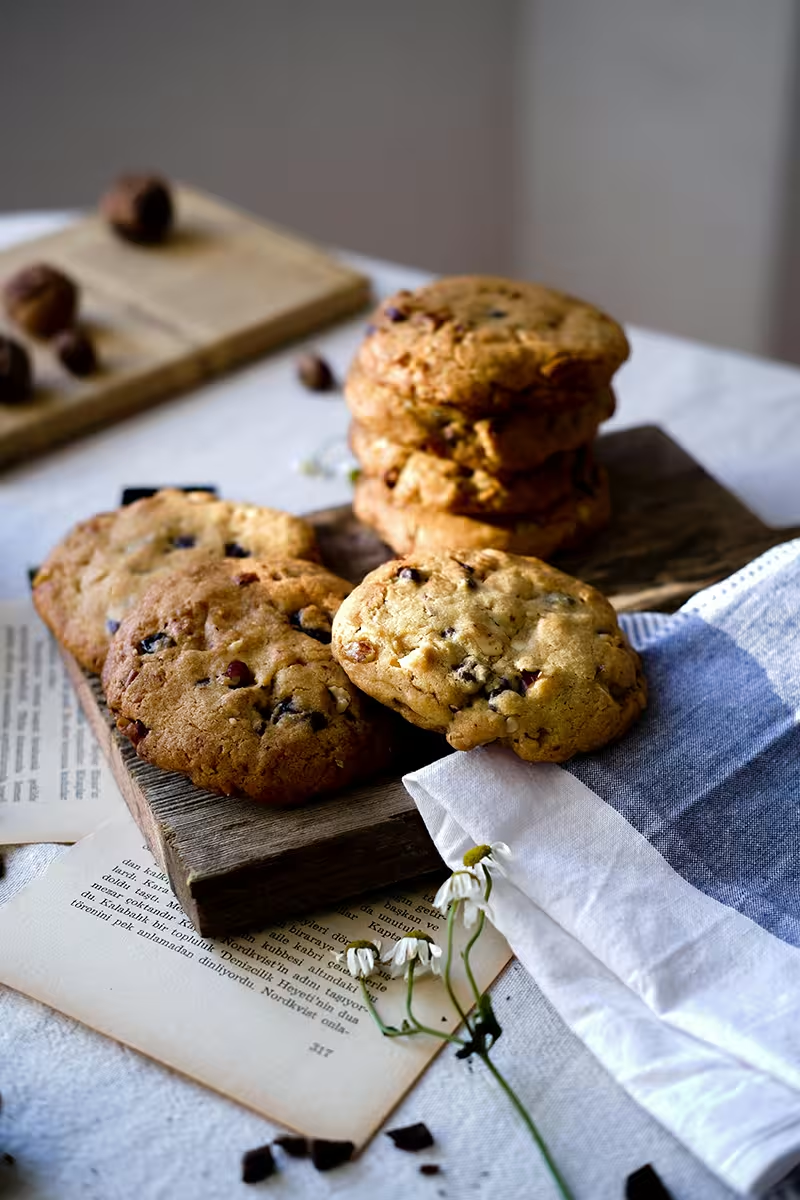
Ingredients
Equipment
Method
- Preheat and prep: Preheat your oven to 375°F (190°C). Line one large baking sheet with parchment paper or a silicone baking mat.
- Mix dry ingredients: In a medium bowl, whisk together the flour, baking soda, and salt until well combined. Set aside.
- Melt and cool butter: Melt the butter and let it cool for 5-10 minutes until it's warm but not hot to the touch.
- Combine butter and sugars: In a large bowl, whisk together the melted butter, brown sugar, and granulated sugar for about 1 minute until smooth and slightly lighter in color.
- Add egg and vanilla: Add the egg and whisk well until combined. Stir in the vanilla extract. Continue whisking until the mixture is glossy and emulsified, about 30 seconds.
- Add flour mixture: Pour the dry ingredients into the wet ingredients. Using a wooden spoon or rubber spatula, gently fold together just until no flour streaks remain. Don't overmix!
- Fold in chocolate: Add the chocolate chips and fold gently until evenly distributed throughout the dough.
- Scoop cookies: Using a 2-tablespoon (30ml) cookie scoop or spoon, portion the dough and place on prepared baking sheet, spacing them about 2 inches (5cm) apart. You should get 12 cookies. For a bakery look, press a few extra chocolate chips onto the tops of each dough ball.
- Bake: Bake for 10-12 minutes, until the edges are golden brown but the centers still look slightly underdone and puffy. The cookies should jiggle slightly when you gently shake the pan.
- Cool: Let the cookies cool on the baking sheet for 5 minutes (they'll firm up during this time), then transfer to a wire cooling rack to cool completely.
- Optional: Sprinkle with flaky sea salt while still warm.
Notes
Small batch scaling: This recipe has been scaled down to make exactly 12 cookies—perfect for smaller households or when you just want a fresh-baked treat without tons of leftovers.
Using one egg: Since this recipe uses just 1 egg (compared to 2 in the full batch), the measurement works perfectly. If you want to halve this recipe further to make 6 cookies, you'll need to use about half an egg (whisk one egg and measure out approximately 25g or about 1½ tablespoons).
Measurements: This recipe uses US customary units (cups, teaspoons, tablespoons) with metric equivalents in parentheses. For the most accurate and consistent results, I highly recommend weighing your ingredients, especially the flour. If measuring by volume, use the spoon-and-level method: fluff the flour, spoon it into your measuring cup, and level it off with a knife. Never scoop the cup directly into the flour bag, as this packs in too much flour.
Butter temperature: Make sure your melted butter has cooled for 5-10 minutes before mixing with the other ingredients. If it's too hot, it can cook the egg or make the dough greasy.
Don't overbake: This is the most important tip! Pull the cookies when the edges are golden but the centers still look slightly underdone. They'll continue cooking on the hot pan as they cool. If you wait until they look completely done in the oven, they'll be overbaked and hard once cooled.
Chilling dough (optional): If you want thicker cookies, chill the scooped dough balls for 30 minutes before baking. This helps prevent spreading.
Chocolate chips: Feel free to use any type of chocolate you like—dark chocolate, milk chocolate, or even white chocolate. You can also chop chocolate bars for those beautiful melty puddles.
Variations: You can add ¼ cup (30g) chopped walnuts or pecans, or try different chocolate combinations. For double chocolate, replace 2 tablespoons (15g) flour with cocoa powder.
Storage: Store in an airtight container at room temperature for up to 5 days. Add a slice of bread to the container to keep cookies extra soft.
Freezing: Freeze baked cookies for up to 3 months. Or freeze scooped dough balls and bake from frozen (add 1-2 minutes to baking time).
Scaling up: To make 24 cookies, double all ingredients. For the full 36-cookie batch, triple the ingredients.
Humid climates: If you live somewhere very humid (like parts of the US South or UK), consider reducing the flour by 1-2 teaspoons (5-10g) to prevent dry, crumbly cookies.